This list shows how mobile apps have reshaped five everyday activities for Canadians—from commuting to health tracking—plus a quick look at their role in digital entertainment.
1. Public transit becomes a tap‑and‑go experience
In Toronto, the TTC’s official app now serves more than 2 million monthly riders. Real‑time arrival data cut average wait‑time uncertainty from 7 minutes to under 2 minutes on the busiest routes. Vancouver’s TransLink app added NFC ticketing in 2022, letting users board a SkyTrain with a single phone tap instead of a paper card.
For commuters in smaller cities like Halifax, the Halifax Transit app introduced a “route‑suggestion” feature that combines bus schedules with live traffic reports. The result is a 12 % reduction in missed connections during rush hour, according to the municipality’s 2023 transit study.
2. Grocery shopping is now a digital pantry
Major chains such as Loblaws and Sobeys report that 38 % of their customers use the mobile app for weekly orders. The apps sync with loyalty cards, automatically applying 5‑10 % discounts on eligible items. In Quebec, a pilot program let users scan barcodes in‑store with their phones; the system generated a personalized “shopping list” that reduced average checkout time from 4 minutes to 1.5 minutes.
Even local farmers markets have joined the trend. The “Farm Fresh Ontario” app lists pop‑up stall locations and lets shoppers pre‑pay for a basket of produce, cutting cash handling by half.
3. Health monitoring goes provincial
Ontario’s Health‑Connect app now integrates with over 150 % more wearable devices than it did in 2020, pulling heart‑rate and step‑count data into a single dashboard. Users receive push alerts when their blood‑pressure readings exceed the provincial guideline of 130/80 mmHg.
British Columbia’s “BC Vaccine Tracker” sent more than 1.2 million reminders for flu shots in the 2022‑23 season, boosting uptake among seniors from 68 % to 81 %.
4. Banking and budgeting are literally at your fingertips
Four of the five biggest Canadian banks now offer apps that support instant inter‑account transfers under 30 seconds. The “SpendSense” feature in the RBC app categorizes every transaction, helping users spot a recurring $9.99 streaming fee they had forgotten about.
For freelancers in Alberta, the “Wave” app introduced a tax‑estimate calculator that pulls in CRA rates automatically, reducing the average filing time from 4 hours to 45 minutes.
5. Entertainment and gaming slip into daily routines
Mobile gaming accounts for roughly 45 % of total gaming revenue in Canada, according to a 2023 industry report. While many Canadians enjoy casual puzzle games on their commute, others turn to more immersive experiences during evenings.
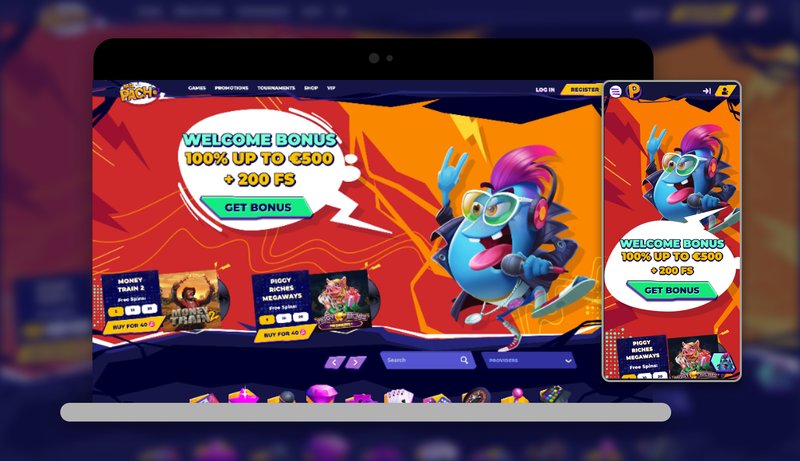
If you’re looking to try your luck, check out mr pacho online casino for a taste of mobile gaming excitement.
6. A few bumps on the road
Not every app rollout has been smooth. Rural broadband limitations still affect roughly 12 % of Canadians, causing longer load times for map‑heavy services like delivery tracking. Privacy‑concerned users also note that many apps request location access even when the feature isn’t needed, a practice that the Office of the Privacy Commissioner flagged in a 2022 audit.
These issues matter most to seniors who rely on simple interfaces and to Indigenous communities where connectivity gaps persist.
Wrapping up
From catching a bus to managing a health condition, mobile apps have become indispensable tools across Canada. The numbers show measurable time savings, cost reductions, and higher engagement rates. As networks improve and developers heed privacy feedback, the next wave of apps will likely tighten the integration between everyday tasks and the digital world, keeping Canadians just a tap away from what they need.
Frequently Asked Questions
How do mobile apps improve public transit for Canadians?
Apps provide real‑time arrivals, NFC ticketing, and route planning, cutting wait times and simplifying boarding.
Can a fitness app replace a traditional gym membership?
Yes, many apps offer personalized workouts, tracking, and virtual classes, making health monitoring accessible anytime.
What role do apps play in digital entertainment?
They aggregate streaming services, enable social sharing, and deliver personalized content recommendations.
Deixa un comentari